Lake Placid 1980: How the Olympic Hockey Tournament Recast the Game’s Image
The 1980 Winter Olympics men's ice hockey tournament at Lake Placid (February 13–24, 1980) is widely remembered for the USA’s 4–3 upset of the Soviet Union on February 22 — the game labeled the "Miracle on Ice". Yet the tournament’s full significance goes beyond a single result: it combined geopolitics, a dramatic tournament format and a decisive gold-clinching win over Finland on February 24 to reshape how hockey was seen in the United States and in international sport.
Quick summary: Tournament dates Feb 13–24, USA won gold, USSR silver, Sweden bronze. The Miracle on Ice (USA 4–3 USSR, Feb 22) energized the medal round that concluded with USA 4–2 Finland (Feb 24).
THE PERIOD OR TURNING POINT THAT DEFINES THE TOPIC
The Lake Placid tournament sits at a particular crossroads: it was an Olympic event played deep in the Cold War era where sport and geopolitics were inseparable in public perception. The USA’s run to gold — capped by two headline games in quick succession — crystallized the idea that Olympic hockey could be both a high-stakes international contest and a storytelling vehicle for national identity. That cultural framing helped move hockey from a regional, largely club-based spectacle toward a broader national conversation in the United States.
HOW THE GAME LOOKED AND FELT THEN
On-ice, Lake Placid showcased international hockey at a moment when national teams still dominated Olympic play in ways distinct from professional club leagues. The USA’s roster was composed largely of amateur and collegiate players, while the Soviet Union fielded experienced international players considered the world’s best. That contrast—fresh-faced collegians against seasoned internationals—gave the games a dramatic texture that read strongly to television and newspaper audiences: unpredictability, youthful energy, and an underdog narrative that was easy to follow and visually compelling.
RULES, STRUCTURES, AND EVOLVING LEAGUE LOGIC
The tournament used a group (first) round followed by a medal round, with results from the group stage carried forward into medal-round standings. That format meant early matches mattered beyond mere elimination: group results shaped the medal round table and made the USA’s victory over the Soviet Union an influential moment in the run to final placements. The final gold was not decided by a single bracketed final but by accumulated results, and the United States clinched gold by beating Finland 4–2 on February 24.
STYLES, RIVALRIES, AND DEFINING PATTERNS
The 1980 podium—United States (gold), Soviet Union (silver), Sweden (bronze)—reflects competing hockey philosophies of the era. The Soviet system emphasized high-level international experience and team cohesion; the USA entry relied on collegiate athleticism and a different developmental pipeline. These contrasting styles underlined broader rivalries: not only national contest but also ideological contrast in the public mind. The Miracle on Ice amplified those rivalries, transforming a semi-final result into a symbolic sporting confrontation.
THE VISUAL MEMORY OF HOCKEY HISTORY
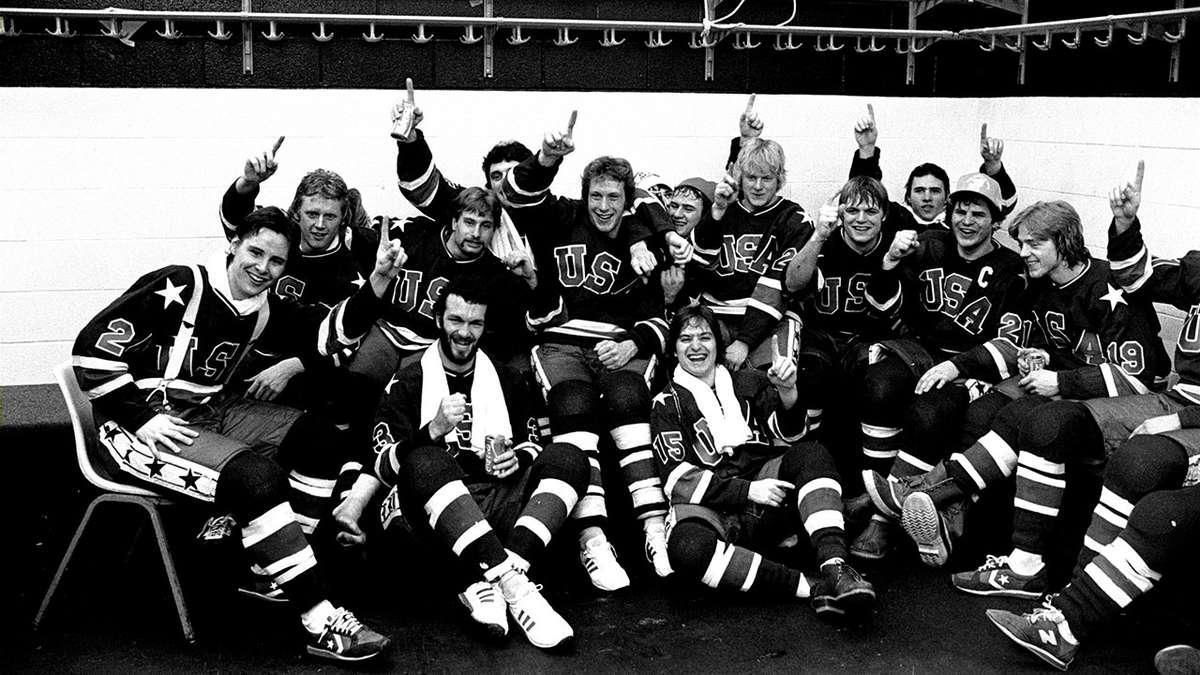
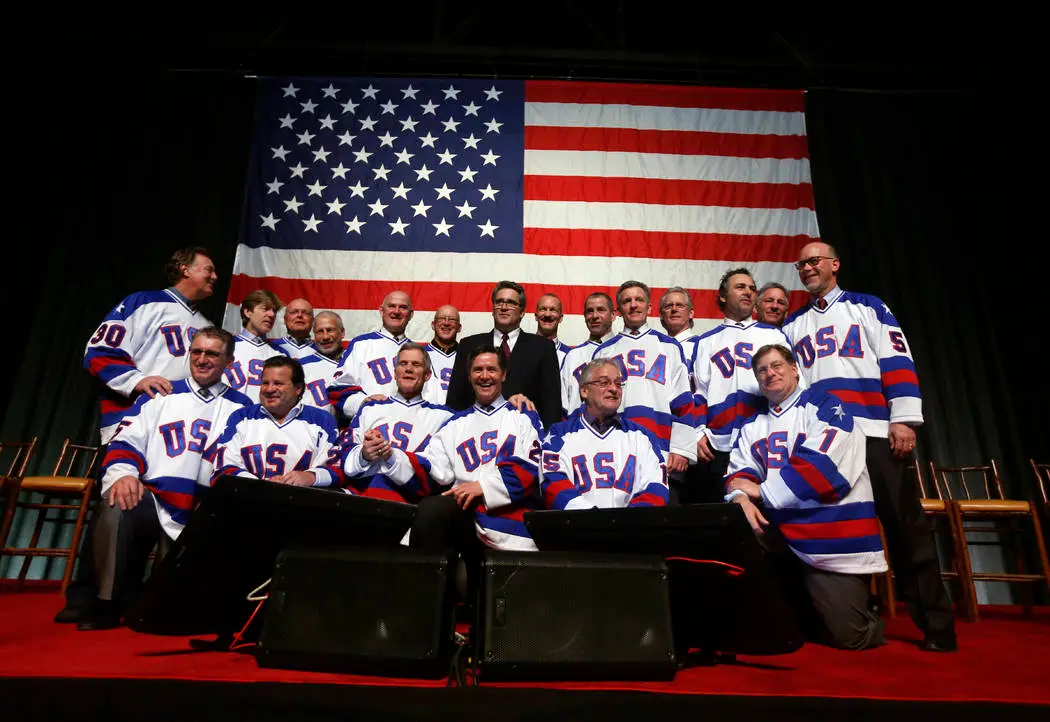
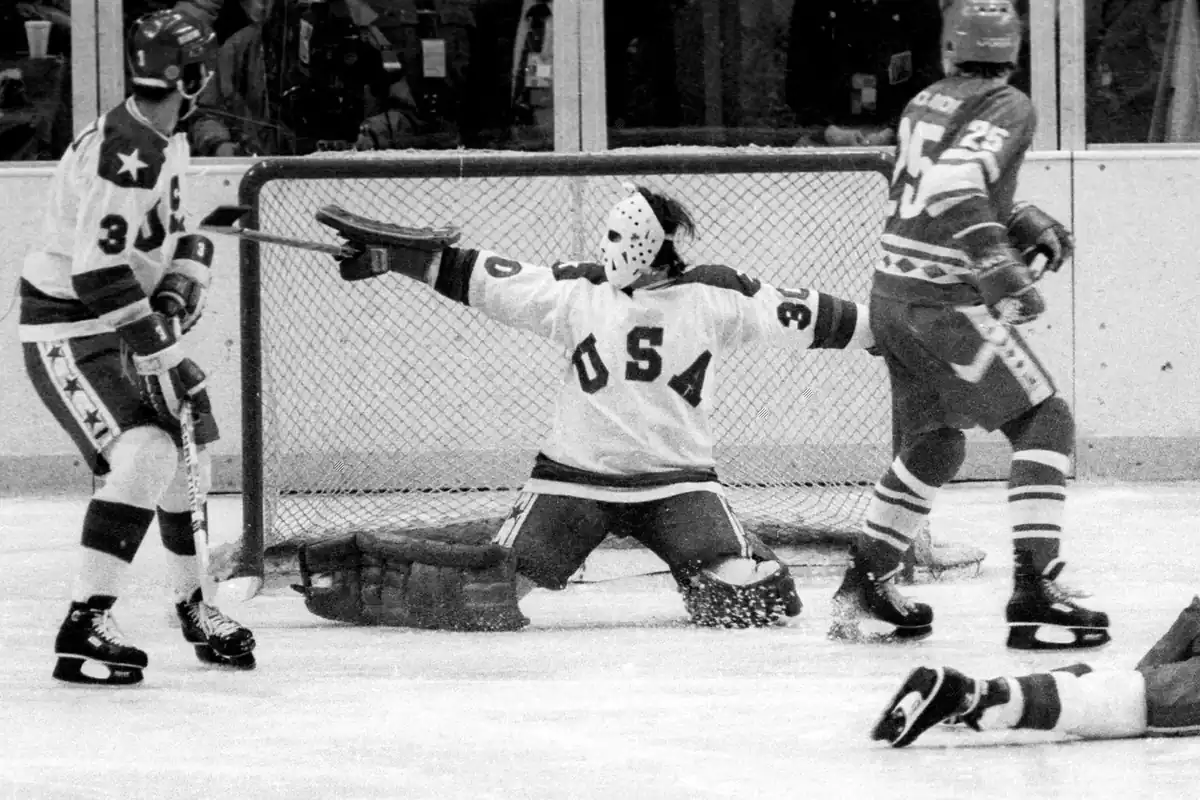
Lake Placid’s images—small Olympic arenas, hooded crowds, the juxtaposition of amateurs and multinational professionals—help explain why the tournament endures in the public imagination. Photographs and film from February 22 and 24 emphasize close scores and emotional reaction shots. Those images played a major role in recasting hockey’s visual identity in the United States: the sport was no longer just a regional winter pastime but a stage for dramatic, nationally resonant moments.
WHAT THE ERA LEFT BEHIND
The 1980 tournament left layered legacies. In sporting terms, it cemented a narrative about the competitiveness of amateur and collegiate players on the Olympic stage and highlighted how tournament structure could elevate specific games into national touchstones. Culturally, the Miracle on Ice became shorthand for Cold War sporting drama, helping to embed hockey into a wider American sports memory. The podium—USA, USSR, Sweden—also reminds historians that the event remained first and foremost a rigorous international competition with a defined medal-round logic.
CLOSING INTERPRETATION
Lake Placid 1980 matters because it combined clear, verifiable sporting outcomes with a public story that outgrew the ice. The United States’ 4–3 win over the Soviet Union on February 22 and the gold-clinching 4–2 victory over Finland on February 24 anchored a tournament that was both technically significant and culturally catalytic. Reading the 1980 Olympic hockey tournament today, we see more than a single miracle: we see how tournament design, international styles, and the broader Cold War context can converge to reshape how a sport is remembered and who it belongs to in the national imagination.
Author: Alex R.