edm oilers: How a City, a Crest and Eras Forged a Hockey Identity
The edm oilers' story is a compact lesson in how place, image and pivotal moments create a lasting team identity. Organized in 1971 and beginning play as a World Hockey Association founding team in the 1972–73 season, the club's path from a WHA start to a modern NHL franchise has been shaped by a few recognizable forces.
This article traces those forces: the ALBERTA/EDMONTON naming choice and early homes, the absorption into the NHL in 1979, the five‑Cup dynasty of the 1980s and its ruptures, the role of visual branding, and the arena-driven civic turn that accompanies the McDavid era.
What you will learn here
- How the club began in the WHA and why it briefly used the name "Alberta Oilers".
- Why the 1980s dynasty and Wayne Gretzky remain central to identity.
- How logos, colours and arena moves tied the team to Edmonton's civic story.
Quick access
WHERE THE FRANCHISE BEGINS
The club was organized in 1971 and entered competition as a World Hockey Association founding team in 1972–73. The WHA launch provided an alternative professional platform to the NHL and gave several new cities — including Edmonton — a way to establish major‑league hockey identity in the 1970s.
That WHA origin remains a factual anchor for the Oilers' identity: the franchise's first competitive season, its early visual choices and its place in hockey history all trace back to those founding years rather than to an original NHL charter.
THE FIRST IDENTITY OF THE EDM OILERS
For its inaugural WHA season the team used the name "Alberta Oilers." That name was a practical response to a specific situation: the plan was to split home games with Calgary after the Calgary Broncos folded. The club reverted to the name "Edmonton Oilers" for the 1973–74 season, anchoring the identity to the city itself.
The first playing venues also shaped early identity. The team played at the Edmonton Gardens during the WHA years (1972–74) before moving to the newly opened Northlands Coliseum in November 1974, a venue that would become the Oilers' long‑term home.
THE ERA THAT GAVE IT REAL SHAPE
The transition from a WHA club to an NHL franchise in 1979 was decisive: the Oilers were one of four WHA teams absorbed into the NHL and began NHL play in the 1979–80 season. That league shift placed Edmonton on a bigger stage and set the conditions for the decade that followed.
In the 1980s the Oilers established what is widely recognized as a hockey dynasty, winning five Stanley Cups in 1984, 1985, 1987, 1988 and 1990. Those championship years anchored the team’s competitive and cultural image across North America and globally.
PEOPLE WHO DEFINED THE FRANCHISE
A few individuals provided clear identity points. Wayne Gretzky’s acquisition by the Oilers in 1978 and his record‑setting seasons — including a 212‑point campaign in 1981–82 — anchored the club’s 1980s profile and helped make the team synonymous with high‑octane offense.
Gretzky’s blockbuster trade to the Los Angeles Kings, announced on August 9, 1988, was another defining moment: the move materially reshaped public perception of the franchise and remains one of the most consequential transactions in hockey history.
Decades later the club’s modern resurgence is linked to Connor McDavid. The Oilers selected McDavid first overall in the 2015 NHL Entry Draft and named him captain on October 5, 2016; at 19 years, 266 days he became the youngest permanent NHL captain. That transition — from a Gretzky era identity to a McDavid era — speaks to how star players can reset a franchise’s image across generations.
RIVALRIES, FAN MEMORY, AND CULTURAL WEIGHT
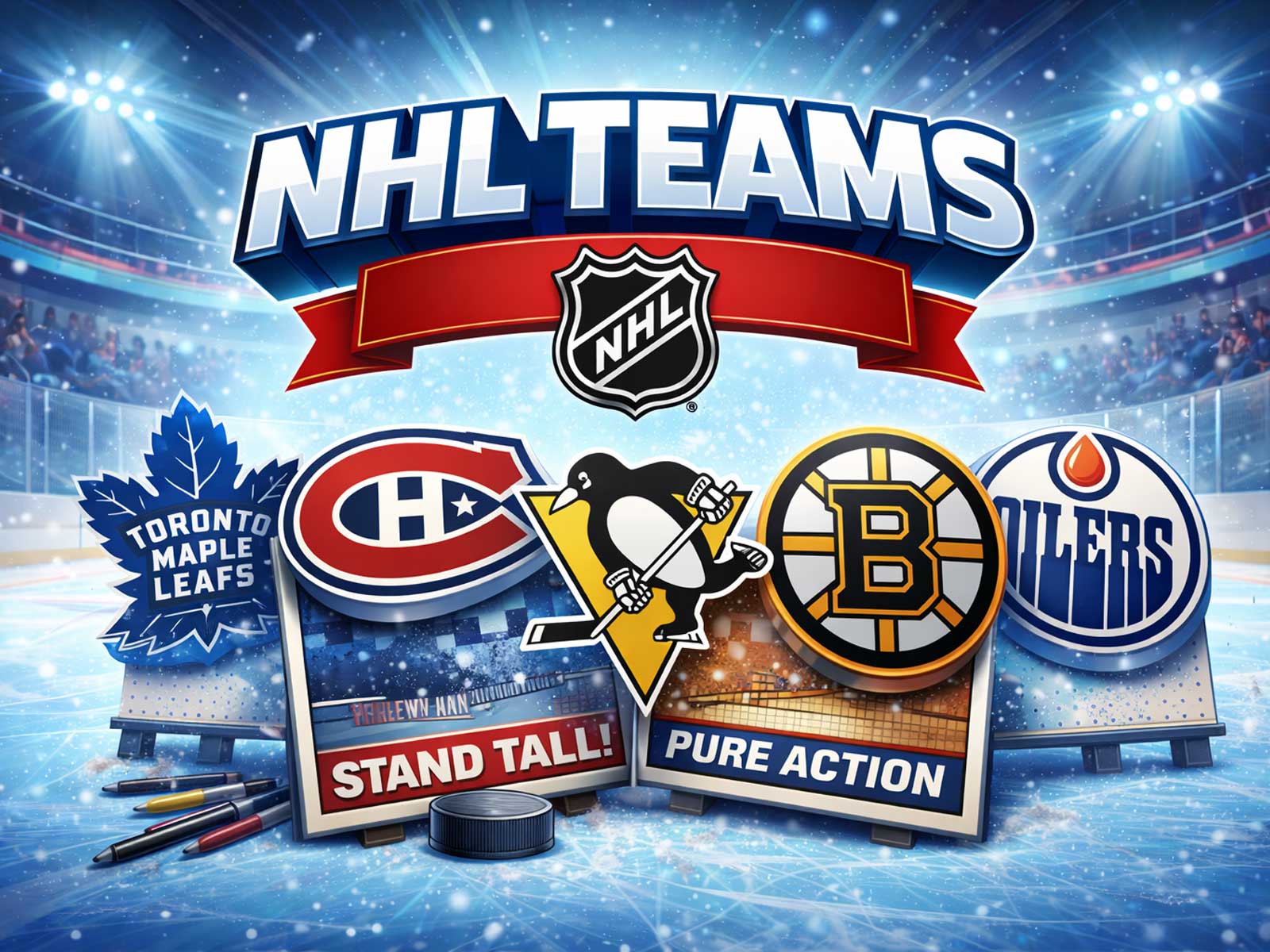
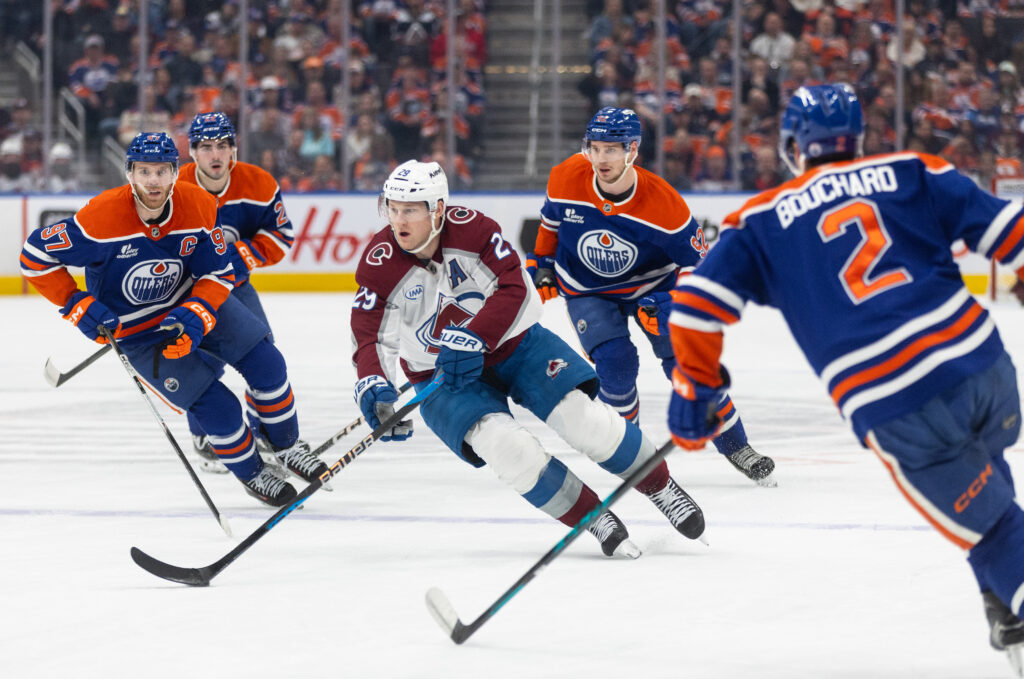
Two kinds of cultural signifiers have mattered: visual symbols and urban placement. The Oilers’ primary visual identity centers on a circular wordmark crest reading "OILERS" with an oil‑drop motif; the blue (navy/royal) and orange palette dates back to the WHA era and remains central to the club’s look.
On the urban side, arena history tied the team to different parts of Edmonton. After Edmonton Gardens the club moved into Northlands Coliseum (later known as Rexall Place), where it played from the mid‑1970s through April 6, 2016. The subsequent relocation downtown to Rogers Place — and the surrounding Ice District developed with city and ownership support — was presented as a deliberate catalyst for urban revitalization and connected the franchise’s identity to contemporary civic planning.
TITLES, NEAR‑MISSES, AND BIG SHIFTS
The Oilers’ five Stanley Cups in the 1980s are the clearest single statement about the franchise’s sporting peak. Equally important were the ruptures and transitions: the move from WHA to NHL in 1979, Gretzky’s departure in 1988, and the late‑2010s arena relocation each changed how the club was seen by fans and observers.
Taken together — WHA origins, NHL absorption, the Gretzky‑anchored dynasty, the trade that followed, and the arena relocation — these episodes form the spine of the club’s public memory and explain why the Oilers occupy a distinct place in hockey history.
HOW THE TEAM IS VIEWED TODAY
Today the Oilers’ identity reads as a combination of heritage and renewal. The visual cues that began in the WHA remain visible; the 1980s dynasty remains a touchstone; and the McDavid era and Rogers Place/Ice District represent a modern civic and sporting resurgence. The club’s history — from 1972–73 beginnings through 1979 NHL entry, dynasty years, the Gretzky trade, and the arena shift — shows how NHL franchises evolve through player eras, brand continuity and changing urban contexts.
That evolution is also a reminder of the NHL’s broader dynamics: league expansion and mergers, the outsized influence of superstar players, and the ways arenas can be framed as civic projects as much as sports facilities. For the edm oilers, those forces combined to produce a team identity that is both locally rooted and globally visible.
Author: Cynthia D.